

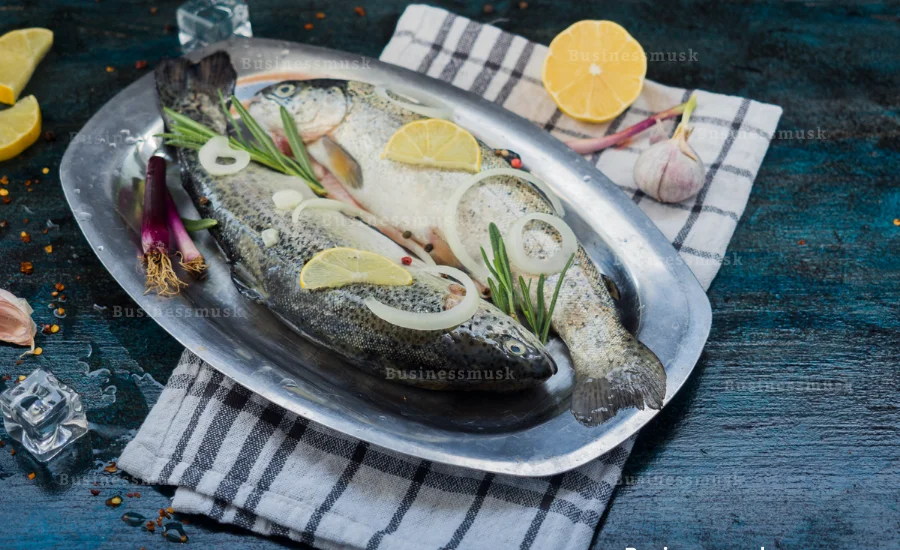
Alaska Pollock, which is sometimes referred to in certain markets as Alaskan Seiti, is definitely a fish worth considering. This fish has steadily grown in popularity among home chefs, health enthusiasts, and environmentally conscious consumers alike, and for good reasons. Its mild flavor, delicate flaky white flesh, lean protein profile, and sustainable harvesting make it an ideal choice for a wide range of cooking styles. Whether you are a beginner in the kitchen looking for something easy to cook or an experienced cook seeking a fish that can adapt to multiple recipes, Alaska Pollock offers a combination of qualities that few other fish can match.
We will take a deep dive into Alaska Pollock. We will explore what makes this fish so special, why it is not only good for your health but also for the planet, how to prepare and cook it to maximize flavor and texture, and practical tips for buying and storing it to ensure you get the best quality every time. By the end of this guide, you will understand why Alaska Pollock is considered one of the most versatile and sustainable fish options available today.
What Is Alaska Pollock (Alaskan Seiti)?
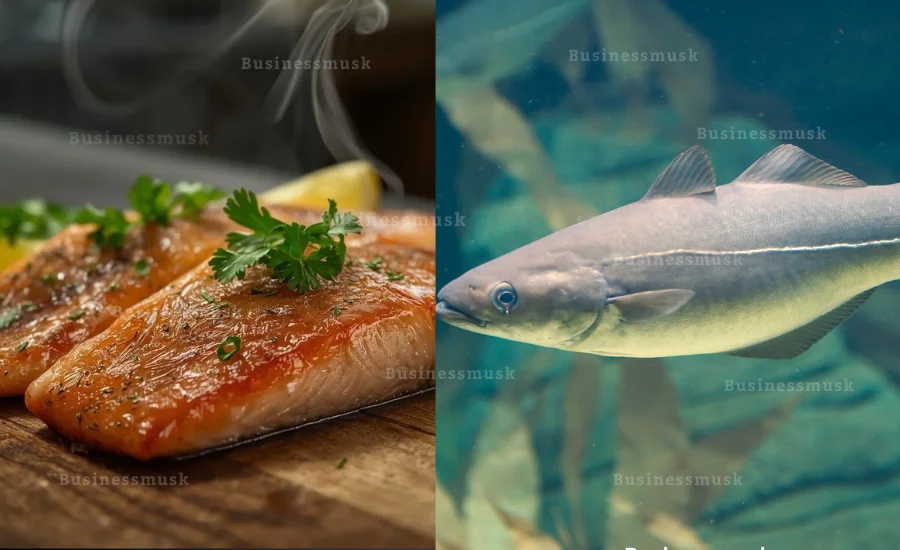
Alaska Pollock is a marine species scientifically known as Gadus chalcogrammus, a member of the cod family. It is predominantly found in the cold, nutrient-rich waters of the North Pacific Ocean, especially the Bering Sea and the Gulf of Alaska. These regions are known for sustainable fisheries that monitor fish populations closely to maintain ecological balance. Alaska Pollock plays a crucial role in its ecosystem, serving as a primary food source for larger fish, seabirds, and marine mammals.
One notable trait of Alaska Pollock is that it is semipelagic, meaning that younger fish tend to swim in mid-water zones in schools, while older fish spend more time near the seabed. This natural behavior affects the fish’s texture, resulting in flesh that is tender yet firm enough to withstand various cooking methods without falling apart.
Unlike oily fish such as salmon or mackerel, Alaska Pollock has a mild flavor and delicate, white, flaky flesh, making it ideal for those new to seafood or anyone who prefers subtle fish tastes. Its gentle flavor allows it to integrate seamlessly into a wide variety of dishes, from simple pan-fried fillets to baked meals, hearty fish stews, or delicate fish cakes.
Alaska Pollock’s neutral taste and versatility make it a “blank canvas” for home chefs. It readily absorbs the flavors of herbs, spices, marinades, or sauces, giving you the freedom to create meals that are either light and healthy or rich and indulgent. This adaptability makes it a favorite ingredient for culinary experimentation.
Nutrition and Wellness Benefits: Why Alaska Pollock Is a “Superfish”
One of the biggest strengths of Alaska Pollock is its impressive nutrition profile. It combines lean protein, essential nutrients, and beneficial fats while being low in calories and saturated fat.
Key Nutritional Facts
Based on data from reputable seafood and fisheries sources:
Per 100 grams (raw fillet):
Some authorities even list wild Alaska Pollock among the “top 20 most nutritious foods” worldwide.
Health Benefits, What You Get From Eating It
- Lean protein for muscle, bones, and metabolism: The high-quality protein supports muscle maintenance and repair, helps regulate metabolism, and supports overall body functions.
- Supports Heart and Brain Health: The omega‑3 fatty acids found in Alaska Pollock help promote a healthy heart by reducing the risk of cardiovascular disease, assisting in blood pressure regulation, and supporting optimal brain function.
- Low-calorie diet support: Because it’s low in fat and calories but rich in protein, Alaska Pollock is ideal for people managing weight or looking for lighter meal options.
- Rich in essential micronutrients: Vitamins like B12 and minerals such as selenium and phosphorus contribute to energy metabolism, improved immunity, bone health, and overall wellbeing.
- Low contaminants and safe for regular consumption: Because Alaska Pollock is wild‑caught in clean waters (far from industrial pollution), it typically has very low levels of heavy metals or pollutants, which makes it safe for frequent consumption even for pregnant women or kids.
Sustainability & Environmental Impact Good for the Planet Too
Eating responsibly today doesn’t just mean choosing healthy foods for ourselves it also means protecting the environment. On that front, Alaska Pollock is a standout.
Well‑Managed Fisheries & Responsible Harvesting
- The wild Alaska Pollock fishery is managed by scientific regulatory bodies (like NOAA Fisheries and the North Pacific Fishery Management Council), using science-based stock assessments and strict catch quotas to ensure fish populations remain healthy and not overfished.
- Among all major fisheries in the United States, Alaska Pollock ranks as the largest sustainable fishery by volume.
- Bycatch (the unintended capture of non-target species) is extremely low less than 1% in Alaska Pollock fisheries.
Low Environmental Footprint
- According to a 2025 study by Association of Genuine Alaska Pollock Producers (GAPP), the carbon footprint of Alaska Pollock (per kilogram of protein) has been reduced by 18%, bringing it down to about 3.09 kg CO₂-equivalent per kg of protein. That makes Alaska Pollock far lower in greenhouse gas emissions compared with most land‑based proteins (like beef, pork, or even chicken).
- Using wild fish also means less freshwater, no pesticides or fertilizers, and minimal land use, compared with farmed meat or aquaculture.
Full Utilization & Minimal Waste
- Alaska Pollock fisheries strive for full utilization of the catch: fillets, roe, fish meal, oil almost no part is wasted.
- This efficient use enhances the sustainability and value of every fish caught, supporting communities while protecting marine ecosystems.
In short: Choosing wild Alaska Pollock is a way to eat healthy and make a responsible environmental choice a win‑win for health and planet.
Sustainability: A Fish You Can Feel Good About
Choosing seafood responsibly goes beyond taste—it’s a way to support the environment. Alaskan Seiti comes from one of the world’s most sustainably managed fisheries.
The fishery operates under strict scientific oversight, with regulated quotas and regular stock assessments to prevent overfishing. Bycatch—the accidental capture of other marine species—is remarkably low, usually below 1 percent. Sustainable fishing methods further minimize environmental impact, helping to preserve a healthy ocean ecosystem.
Alaskan Seiti also has a naturally low carbon footprint. Being wild-caught, it requires no land, freshwater, or pesticides, making it an eco-friendly protein choice. By choosing this fish, you’re enjoying a nutritious meal while actively supporting a healthier planet.
Cooking with Alaska Pollock Simple, Adaptable, and Delicious
One of the greatest appeals of Alaska Pollock for home chefs is its versatility. Because it has a gentle flavor and flaky texture, it pairs well with many cooking methods and cuisines. Many recipes from simple home cooking to restaurant‑style dishes rely on its adaptability.
Here are some popular ways you can prepare Alaska Pollock at home:
🍽️ Cooking Methods & Ideas
- Pan‑fried Fillets — Season the fillets simply with salt, pepper, maybe some lemon juice or herbs. Pan fry until the flesh becomes opaque and flakes easily. Quick, simple, and great with salads or steamed veggies.
- Baked Pollock — Wrap fillets in foil with olive oil, herbs, lemon slices, or vegetables; bake in the oven. Baking is healthy and locks in moisture, giving tender, flaky results.
- Poached or Steamed Pollock — For a lighter meal, gently poach or steam the fish; it’s especially good with light sauces, herbs, or in soups.
- Fish Stews or Curries — Thanks to its mild taste, Pollock absorbs flavors well, making it great for soups, white‑fish curries, or broth‑based dishes.
- Breaded and Fried / Fish Fingers / Fish Cakes — Alaska Pollock is often used for breaded fish sticks, fish cakes, or “imitation crab” (surimi), because its mild taste and white flesh adapt well to flavorings and coatings.
- Roe (Fish Eggs) Usage — If you obtain Pollock roe (eggs), you can use it as a flavorful, nutritious ingredient — rich in healthy fats and protein.
Sample Simple Recipe: Lemon‑Herb Pan‑Fried Pollock
A quick, healthy way to enjoy Pollock even on busy nights:
Ingredients:
- 2 Pollock fillets (approx. 150–200 g each)
- Salt and pepper (to taste)
- 1–2 tbsp olive oil or cooking oil
- Juice of half a lemon
- Fresh herbs (like parsley, dill, cilantro), finely chopped
Instructions:
- Pat the fillets dry with paper towels. Season both sides with salt and pepper.
- Heat oil in a nonstick pan over medium heat. Once hot, add the fillets (skin-side down if skin is still on).
- Cook for about 3–4 minutes on the first side, until lightly golden and flesh starts to turn opaque.
- Carefully flip the fillets and cook another 2–3 minutes until fully opaque and flaky.
- Just before removing from the pan, squeeze lemon juice over top, then sprinkle chopped herbs.
- Serve with a side of rice, salad, or steamed vegetables.
This easy method brings out the delicate flavor without overwhelming it perfect for family dinners or a healthy weekday meal.
Cooking Tips & Best Practices
- Because Pollock is lean and cooks quickly, avoid overcooking that can dry it out.
- If using frozen Pollock, thaw it in the refrigerator slowly (not at room temperature) to preserve texture.
- For breading or frying, pat dry well to get a crispy coating.
- Use gentle seasoning (herbs, lemon, mild spices) to complement, not mask, the fish’s mild flavor though Pollock is versatile enough to handle stronger spices or sauces too.
Buying & Storing Alaska Pollock What to Look For
When shopping for Alaska Pollock, whether fresh or frozen, it is important to pay attention to quality to ensure the fish is both nutritious and flavorful. One of the first things to consider is choosing wild-caught fish that comes from responsible and certified sources. Look for labels from sustainable fisheries programs, as these certifications guarantee that the fish has been harvested responsibly and is traceable, giving you confidence in both its quality and environmental impact.
Another key factor is how the fish is processed. Many Alaska Pollock fillets are flash-frozen at sea immediately after being caught, which helps preserve their freshness, texture, and nutritional value. When selecting fish, check the packaging and origin labels to ensure it comes from reputable regions such as Alaska, the Bering Sea, or the Gulf of Alaska, which are known for clean waters and strict fishery management.
Proper storage is equally important; frozen Pollock should be kept frozen until ready to use, and once thawed, it should be cooked within one to two days. Because Pollock is lean and delicate, careful handling is essential to maintain its taste and texture. Additionally, be cautious of fish that appear overly soft, watery, or have a strong odor after thawing, as these can be signs of poor handling or repeated freeze-thaw cycles, which can negatively affect quality. By keeping these tips in mind, you can ensure that the Alaska Pollock you purchase remains fresh, nutritious, and delicious for your meals.
Why Alaska Pollock (Alaskan Seiti) Is a Smart Choice for Home Chefs & Families
Here’s a summary of reasons why bringing Alaska Pollock into your kitchen can be a great decision:
- Highly nutritious: Lean protein, omega‑3 fats, essential vitamins and minerals great for overall health, muscle maintenance, heart and brain health.
- Low-calorie & weight‑friendly: Perfect for those watching their weight or seeking healthier meal options.
- Mild, versatile flavor: Works with a wide variety of cuisines and seasonings from Mediterranean herbs to Asian spices making it suitable for frequent use.
- Sustainably harvested and environmentally friendly: Responsibly managed fishery, low carbon footprint, low bycatch a conscious choice for eco‑aware eaters.
- Affordable and accessible: Because of the large scale of the pollock fishery, Pollock tends to be more affordable than many other whitefish (like cod), and widely available especially in frozen form.
- Kid-friendly and family-friendly: Its mild taste is often preferred by children and people who dislike “fishy” strong flavors making it an easy way to introduce seafood into family meals.
In short: Alaska Pollock offers a rare combination of good taste, nutrition, flexibility, affordability, and sustainability making it ideal for home cooking and regular use.
Addressing Common Concerns & Misconceptions
Is there a risk of contaminants (like mercury)?
From available data and public health advisories: wild Alaska Pollock is considered low‑risk for contaminants such as mercury or PCBs. Fisheries from Alaska are regularly tested by environmental agencies, and results show very low levels well below thresholds of concern.
Because of this, many public health guidelines consider Alaska Pollock safe for unrestricted consumption, including for pregnant women and children.
Does mild taste mean low quality?
Not at all. The mild, clean flavor is part of what makes Pollock so versatile. Instead of being “fishy,” it’s neutral which means it pairs well with a wide range of seasonings and cooking styles. Its nutritional quality remains excellent regardless of taste.
What about sustainability concerns or overfishing?
The Alaska Pollock fishery is among the most sustainably managed fisheries globally. Stock assessments show populations are healthy and not overfished.
Moreover, the fishery uses responsible gear (pelagic trawl gear) that minimizes habitat damage and results in extremely low bycatch rates (less than 1 %).
Why Home Chefs Love Alaskan Seiti
Alaskan Seiti is more than just a nutritious fish; it is a versatile and kitchen-friendly ingredient that offers numerous advantages for home chefs. Packed with high-quality protein, omega-3 fatty acids, essential vitamins, and minerals, it supports overall health while being naturally low in calories and fat, making it ideal for anyone following a healthy or weight-conscious diet.
Its mild, neutral flavor allows it to pair effortlessly with a wide variety of cuisines and seasonings, giving cooks the freedom to experiment without worrying about overpowering tastes. Beyond its culinary benefits, Alaskan Seiti is also a sustainable choice, responsibly harvested with minimal environmental impact, and it remains affordable and widely accessible, especially in frozen form. Additionally,
it is incredibly easy to cook, adapting well to multiple cooking methods such as baking, frying, steaming, or poaching, which makes it perfect even for beginners in the kitchen.
Next Read: Masgonzola
FAQs
Q: Is Alaska Pollock (Alaskan Seiti) the same as the Pollock I see in supermarkets?
A: Yes — Alaska Pollock is a common species of pollock sold worldwide. When you see whitefish fillets labeled “Pollock,” often it is Alaska Pollock (or equivalent). The name “Seiti” may be a regional or marketing name, but biologically this refers to Alaska Pollock.
Q: Can I eat Pollock every week is it safe long‑term?
A: Yes. Because Alaska Pollock is lean, low in contaminants, and rich in nutrients like omega‑3s, B12, protein, and minerals it is often recommended as a healthy seafood option. Many nutrition and seafood experts consider it safe for regular consumption, even weekly.
Q: How should I store frozen Pollock to keep it fresh?
A: Keep it frozen until ready to use. When thawing, do so in the refrigerator (not at room temperature) to preserve texture and freshness. Once thawed, cook within 1–2 days. Avoid repeated freeze‑thaw cycles.
Q: Does Pollock taste “fishy”? What if I don’t like strong fish flavor?
A: Pollock is known for its mild, clean taste and subtle flavor. That’s one reason many people including kids and those new to fish like it. Because it’s mild, it’s also very adaptable: you can cook it with mild herbs or strong spices, depending on your taste.
Q: Is Pollock environmentally friendly compared to other meats/fish?
A: Yes. Alaska Pollock is among the most climate‑friendly proteins available. According to a 2025 Life Cycle Assessment by the industry group representing Pollock producers, its carbon footprint per kilogram of protein is far lower than most land-based meats. Additionally, its fishery is carefully managed, with stable stocks and low bycatch making it a responsible choice for sustainable eating.
Final Thoughts
If your goal is to cook healthy, tasty, and environmentally conscious meals without complicated recipes or expensive ingredients, Alaska Pollock deserves a permanent place in your menu. Its combination of nutritional value, mild flavor, low cost, ease of cooking, and sustainability makes it ideal for home chefs, busy families, fitness‑conscious eaters, or anyone wanting to eat better without compromising on taste or ethics.
Whether you bake it, fry it, steam it, or include it in soups or curries, Alaska Pollock adapts beautifully. With growing awareness of sustainable seafood, it’s also a responsible choice: good for your health, and gentle on the planet.
Stay ahead of trends and discover new opportunities with BusinessMusk.